 By admin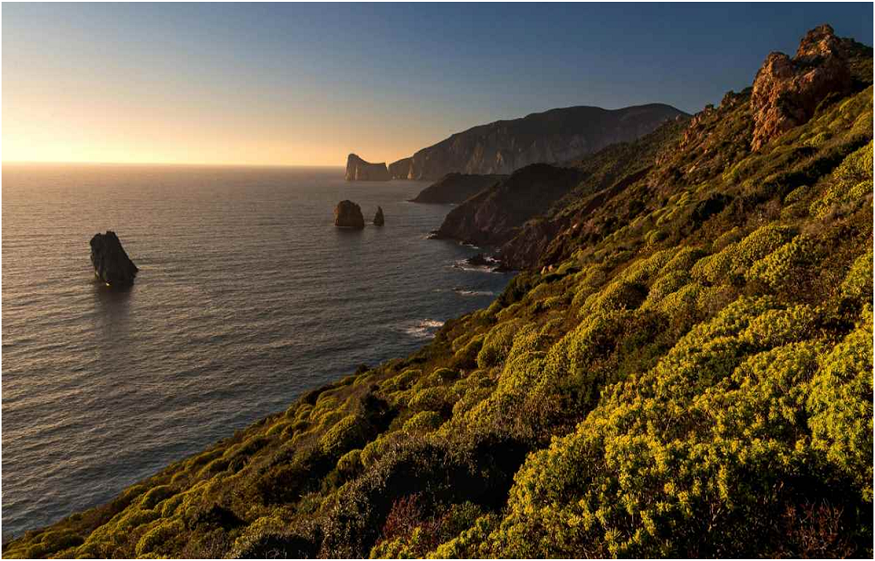
Europe’s coastal regions have long served as a focal point for refined tourism, combining natural beauty, cultural heritage, and sophisticated hospitality. For discerning travellers, the continent’s maritime landscapes offer a unique synthesis of history, architecture, gastronomy, and leisure. The Mediterranean basin in particular continues to dominate the luxury travel imagination, presenting environments where dramatic cliffs, crystalline waters, and historic settlements converge into highly curated tourism experiences.
In the context of 2026, coastal luxury destinations in Europe increasingly emphasize sustainability, privacy, and experiential travel. Rather than merely offering scenic beaches, the most sought-after locations integrate cultural depth, architectural identity, and discreet high-end accommodation. From Italy’s historic coastlines to the glamorous resorts of the French Riviera and the iconic islands of Greece, these destinations represent a refined interpretation of the European seaside.
Sardinia: Emerald Waters and Discreet Sophistication
Among Europe’s most celebrated luxury coastal environments, Sardinia occupies a distinctive position. Located in the centre of the Mediterranean, the island is characterized by rugged landscapes, secluded coves, and transparent waters that give many of its beaches their distinctive emerald colour.
The northeastern coastline, particularly the renowned Costa Smeralda, has developed into one of the most exclusive resort regions in Europe. Since its development in the 1960s, the area has attracted international elites, offering yacht marinas, private villas, and architecturally distinctive resorts integrated into the natural landscape. The resort village of Porto Cervo, designed with Mediterranean vernacular aesthetics, has become synonymous with high-end sailing, designer boutiques, and discreet luxury hospitality.
For travellers seeking refined accommodation within this landscape, properties such as a luxury hotel Sardinia exemplify the region’s approach to hospitality: understated architecture, proximity to protected marine environments, and services tailored to privacy and experiential exploration of the island’s coastline.
Read More: The Great Himalayan Trek with Mera & Lobuche Peaks
The Amalfi Coast: Italy’s Legendary Seaside Landscape
Few coastal destinations in Europe carry the cultural resonance of the Amalfi Coast. Stretching along the southern edge of the Sorrentine Peninsula, this UNESCO-listed landscape is defined by dramatic cliffs descending toward the Tyrrhenian Sea and by villages built in terraces above the water.
The towns of Positano, Ravello, and Amalfi have become emblematic of Mediterranean elegance. Positano in particular is celebrated for its steep hillside architecture, where pastel-coloured buildings cascade toward small coves and beaches, creating a striking “vertical village” appearance. The region combines natural spectacle with culinary prestige, boutique hotels, and a long tradition of aristocratic and artistic patronage.
Luxury travellers continue to be drawn by the possibility of exploring the coastline by private boat, dining in cliff-top restaurants overlooking the sea, or retreating to historic villas surrounded by lemon groves and Mediterranean vegetation. The Amalfi Coast remains an enduring reference point for coastal glamour within European tourism.
The French Riviera: Timeless Mediterranean Glamour
On the northern Mediterranean shore, the French Riviera—known as the Côte d’Azur—has cultivated a reputation for elegance since the late nineteenth century. Its towns, including Nice, Cannes, and Saint-Tropez, have long been associated with cinema festivals, yacht culture, and cosmopolitan nightlife.
The Riviera’s enduring prestige lies in its ability to combine urban sophistication with maritime leisure. Luxury travellers encounter marinas filled with superyachts, private beach clubs, Michelin-starred restaurants, and historic Belle Époque architecture overlooking the sea.
Despite its reputation for glamour, the region retains a strong cultural dimension, including art museums, Provençal markets, and centuries-old hill towns situated above the coastline. This synthesis of culture and leisure continues to define the Riviera as one of Europe’s most iconic luxury coastal destinations.
Read More: Three of the Finest Superyachts for Sale for $15 Million
Santorini: Aegean Minimalism and Dramatic Geography
In the eastern Mediterranean, Santorini has emerged as one of Europe’s most visually distinctive island destinations. Its architecture—whitewashed buildings with blue-domed churches—contrasts dramatically with the volcanic cliffs that form the island’s caldera.
Luxury travel on Santorini revolves around exclusivity and panoramic views. Boutique cave hotels carved into the volcanic rock often feature private terraces and infinity pools overlooking the Aegean Sea. Visitors frequently combine relaxation with maritime excursions, sailing around the caldera or exploring neighbouring islands.
The island’s identity is further reinforced by its celebrated sunsets and by a culinary culture centred on seafood and locally produced wines. These elements contribute to an atmosphere of understated elegance that distinguishes Santorini within the European luxury tourism landscape.
The Future of Coastal Luxury in Europe
Looking ahead to 2026, Europe’s iconic coastal destinations appear increasingly defined by balance: between exclusivity and environmental stewardship, heritage and innovation, glamour and authenticity. Luxury travel is evolving toward experiences that emphasise local culture, protected landscapes, and architectural sensitivity to historic environments.
Whether on the granite shores of Sardinia, the dramatic cliffs of southern Italy, the cosmopolitan Riviera, or the volcanic islands of Greece, Europe’s coastal destinations continue to demonstrate how natural beauty and cultural sophistication can converge into a uniquely enduring form of luxury tourism.